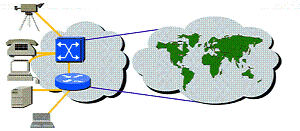
QoS in Action
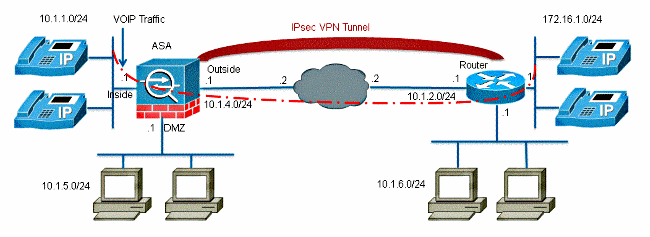
Example 1: Prioritization of IP Telephony
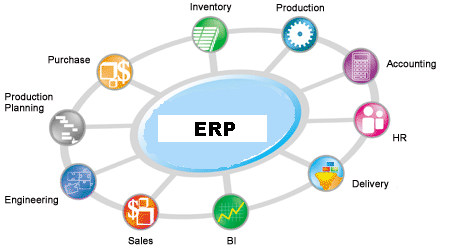
Example 2: ERP Application
– SUMMARY –
The goal of QoS is to provide better and more predictable network service by providing dedicated bandwidth, controlled jitter and latency, and improved loss characteristics. QoS achieves these goals by providing tools for managing network congestion, shaping network traffic, using expensive wide-area links more efficiently, and setting traffic policies across the network.
– QoS provides guaranteed availability
– Prioritization of mission-critical versus noncritical applications
– Interactive and time-sensitive applications
– Voice, video, and data integration
– Key QoS building blocks
– classification
– policing
– shaping
– congestion avoidance