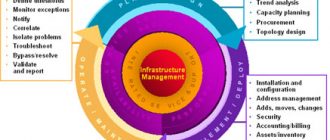
In a network management system, the system manages the argent which are dirived from the main system like Management Database, with the help of Network Management Protocol,which are cleared by the figger.
Network Management Building Blocks
Following are the Management Building Bloks of Natwork Management System.
Simple Network Management Protocol (SNMP)
this is a protocol which is comming under the management building blocks. this use to provide status massages and problemreports across a network to the Management system. SNMP uses Use DAtagram Protocol as a transport mechanism. It employs different terms from TCP/IP, working with managers and agents instead of clients, and servers. An agent usually provides information about a device, the manager communicates across a network with the agents.
there are two vertions of SNMP they:
SNMP V2
– Addressed performance issues
SNMP V3
– Multilingual implementations (coexistence of versions)
– Enhanced security
SNMP Message Types
SNMP messages are the request and responses between the Manager and Agent. Once the Agent gets a request from the manager as a MIB variable, then Agent gives manager a response as the same variable. And also Trap for the unsolicited alarm conditions.